How Men’s Trunks Prevent Chafing and Bunching
Wiki Article
How Men’s Trunks Prevent Chafing and Bunching
Chafing and bunching aren’t caused by movement alone—they’re caused by poor underwear design.
When fabric rides up, twists, or rubs repeatedly against the skin, discomfort becomes inevitable.
Men’s trunks were created to solve exactly this problem by balancing support, coverage, and freedom of movement.
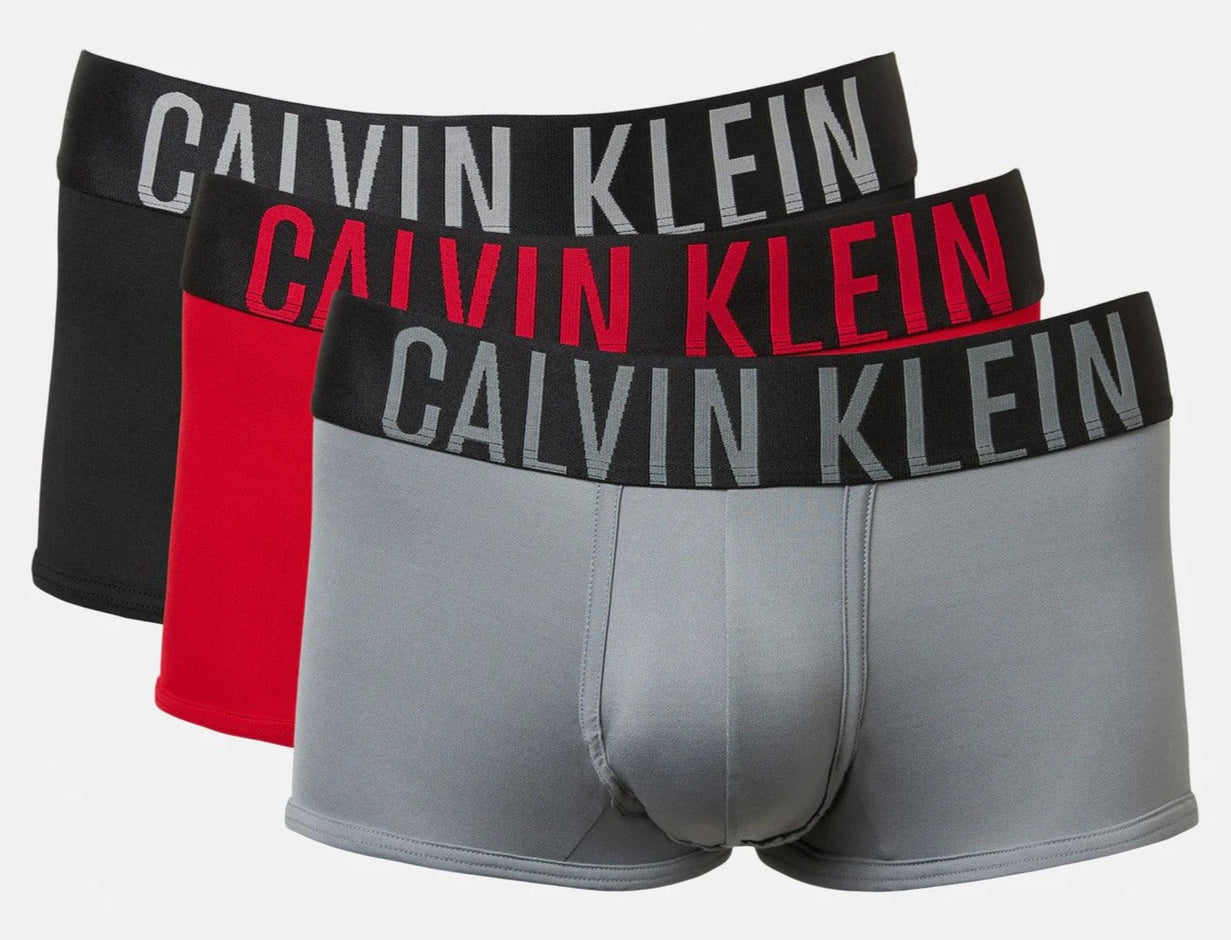
The Role of Trunk Length
One of the biggest reasons trunks reduce chafing is their mid-thigh length.
Unlike briefs that stop higher on the leg:
Trunks create a smooth barrier between the thighs
Reduce skin-on-skin friction
Stay in place during walking and sitting
This length is short enough to feel light, but long enough to protect.
Snug Fit Without Tightness
Chafing often happens when fabric moves too much.
Men’s trunks are designed to:
Sit close to the body
Move with the legs
Stay aligned during motion
A proper trunk fit prevents excess fabric from folding or bunching, which is a major source of irritation.
Fabric Stretch and Recovery
Good trunks rely heavily on fabric performance.
High-quality trunk fabrics:
Stretch naturally with movement
Snap back into shape
Avoid sagging throughout the day
When fabric loses recovery, it bunches. Trunks with strong stretch recovery maintain a smooth feel from morning to night.
Flat Seams Reduce Friction
Seam placement plays a quiet but critical role.
Well-made trunks use:
Flat or smooth seams
Strategic stitching away from high-friction areas
Minimal bulk
This reduces rubbing, especially during long periods of sitting or walking.
Breathability Keeps Skin Calm
Moisture increases friction.
Trunks made with breathable materials:
Allow airflow
Reduce sweat buildup
Keep skin drier
Dry skin means less friction, which directly lowers the risk of chafing.
Waistband Stability Matters
A shifting waistband causes the entire garment to move.
Strong, flexible waistbands:
Keep trunks anchored
Prevent downward sliding
Maintain leg alignment
When the waistband stays put, the legs follow—and bunching disappears.
Why Trunks Work for Active and Daily Wear
Trunks are ideal for:
Long workdays
Travel
Light activity
Warm climates
They offer a balance between briefs and longer boxers, making them versatile for everyday comfort.
Men’s trunks prevent chafing and bunching by combining:
The right length
Controlled stretch
Stable fit
Breathable fabric
When trunks are designed well, they don’t need constant adjustment.
They stay smooth, supportive, and comfortable—letting you move through the day without distraction.